Introduction to Die Casting in the Automotive Industry
Die casting is a manufacturing process used to produce precisely shaped metal components by forcing molten metal into a mold under high pressure. In the automotive sector, die casting plays a crucial role in producing high-strength, lightweight, and dimensionally accurate parts. Die Casting Automotive parts are essential for ensuring safety, performance, and efficiency in modern vehicles.
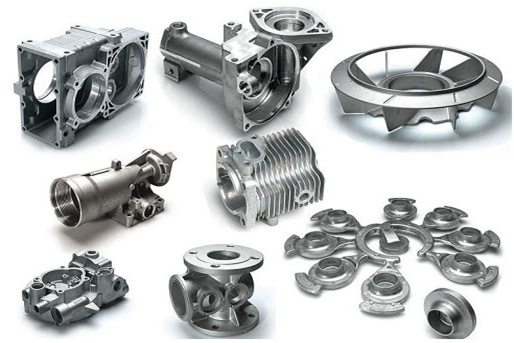
Why Die Casting Is Ideal for Automotive Components
Precision and Complexity: Die casting enables the creation of complex and detailed shapes with tight tolerances, reducing the need for additional machining.
High Production Efficiency: The process allows for mass production of identical parts with consistent quality, minimizing waste and production costs.
Lightweight Performance: Automotive manufacturers often use lightweight die casting alloys like aluminum and magnesium to reduce vehicle weight and improve fuel efficiency.
Durability and Strength: Die-cast parts are known for their mechanical strength, impact resistance, and long service life under harsh operating conditions.
Commonly Used Materials for Automotive Die Casting
Aluminum Alloys: These are widely used for their lightweight nature, good corrosion resistance, and excellent thermal conductivity.
Magnesium Alloys: Even lighter than aluminum, magnesium is ideal for reducing the overall weight of vehicles, especially in electric cars.
Zinc Alloys: Zinc offers superior strength at low temperatures and is often used in parts that require high wear resistance and precise detailing.
Key Automotive Parts Made Using Die Casting
Die casting is used to manufacture a wide range of automotive parts, including:
Engine Blocks: Die-cast aluminum engine blocks provide strength while minimizing weight.
Transmission Housings: These components require dimensional accuracy and durability.
Chassis Components: Die-cast parts for suspension systems, control arms, and brackets improve performance and reduce overall weight.
Electric Vehicle (EV) Parts: Die casting is increasingly used for motor housings, battery enclosures, and inverter casings in EVs.
Steering System Parts: Precision die-cast components ensure safe and smooth steering functionality.
Interior and Exterior Parts: Door handles, seat frame components, and trim pieces are also produced through die casting.
Benefits of Die Casting in Automotive Manufacturing
Design Flexibility: Complex shapes, thin walls, and intricate details are achievable without extra assembly.
Excellent Surface Finish: Die-cast components often have smooth surfaces, suitable for direct application or further finishing.
Consistency and Repeatability: The same part can be produced thousands of times with little variation, ideal for high-volume production.
Reduced Assembly Requirements: Integration of multiple functions into a single die-cast part eliminates the need for welding or joining.
Cost-Effectiveness: Though the initial tooling investment is high, the cost per part decreases significantly at scale.
Die Casting Processes Used in Automotive Production
High-Pressure Die Casting (HPDC): This is the most common method used for automotive parts. It offers fast cycle times and high accuracy.
Low-Pressure Die Casting (LPDC): Often used for thicker parts like wheels and suspension arms, LPDC provides better mechanical properties.
Squeeze Casting: This process offers superior strength and is suitable for structural components.
Vacuum Die Casting: Vacuum is used to remove air and reduce porosity, which enhances the integrity of the final part.
Die Casting and the Rise of Electric Vehicles
As the automotive industry shifts towards electric mobility, die casting has gained even more importance.
Gigacasting: EV manufacturers like Tesla have popularized "gigacasting," where large vehicle structures are cast as a single piece.
Lightweighting: With battery weight being a concern, die casting helps compensate by reducing the weight of the vehicle body and frame.
Thermal Management: Aluminum die-cast parts assist in heat dissipation for EV batteries and power electronics.
Challenges in Automotive Die Casting
Initial Tooling Cost: Die casting requires expensive molds, which may be a barrier for small-volume manufacturers.
Porosity Issues: Entrapped air during casting can lead to voids, which affect strength and finish.
Design Restrictions: Though die casting offers design freedom, certain undercuts or deep cavities may still be challenging.
Material Limitations: Only specific alloys can be used in die casting, limiting material choices for certain performance needs.
Quality Control and Testing of Die Cast Automotive Parts
To ensure die-cast components meet automotive standards, manufacturers employ various inspection and testing methods:
X-ray Inspection: Detects internal porosity and voids.
Dimensional Analysis: Ensures that parts meet tight tolerance requirements.
Tensile and Hardness Testing: Confirms mechanical strength and resistance to deformation.
Surface Finish Inspection: Checks for cracks, defects, or roughness that may affect part performance.
Future Trends in Die Casting Automotive Parts
Integration with 3D Printing: Rapid prototyping of molds and hybrid manufacturing processes are on the rise.
Sustainable Die Casting: Use of recycled alloys and energy-efficient casting methods will shape the future.
AI and Automation: Smart factories with automated die casting lines and AI-based defect detection are becoming common.
Advanced Coatings: Post-casting treatments will enhance corrosion resistance and surface durability. Visit our website https://www.diecasing-xy.com/ for more details.
Conclusion
Die casting has become an indispensable manufacturing process in the automotive industry, offering unmatched precision, speed, and material efficiency. From engine components to electric vehicle structures, die-cast parts meet the modern demands of performance, safety, and sustainability. As technology continues to evolve, die casting will remain at the heart of automotive innovation.